
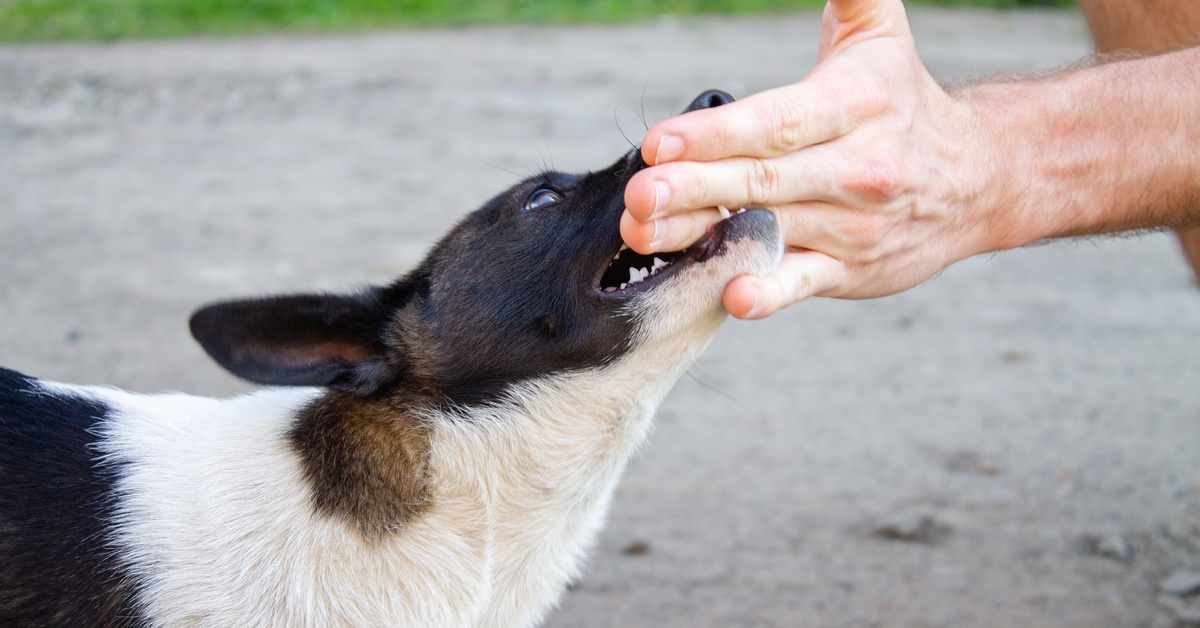
Dog bite incidents are more common than many realize and affect millions of Americans each year. Victims often wonder if they can sue after a dog bites them on private property. The answer depends on factors like state laws, the bite circumstances, and the victim’s legal status on the property.
Understanding your rights after a dog bite requires navigating complex legal concepts. While property ownership doesn’t automatically shield dog owners from liability, it can complicate the process. For help understanding this complex matter and some of its layers, keep reading for everything you need to know.
General Liability in Dog Bite Cases
Premises liability refers to the legal responsibility property owners have to maintain reasonably safe conditions for visitors. When a dog bite occurs on private property, premises liability principles often intersect with specific dog bite laws to determine fault. Property owners must exercise reasonable care to prevent foreseeable harm to lawful visitors on their premises.
The relationship between the victim and the property owner also influences liability. Invitees who enter a property for business purposes receive the highest level of protection under premises liability law. Licensees, such as social guests, are owed a duty to warn of known dangers. Trespassers generally receive minimal protection, though exceptions exist for children and other special circumstances, which we will explore.
When Owners May Not Be Held Liable for Dog Bites
Provocation From the Victim
Dog owners may avoid liability if evidence shows the victim provoked the dog before the attack. Provocation includes hitting, kicking, teasing, or making threatening gestures or loud noises that trigger aggression.
The provocation defense requires clear proof that the victim’s actions directly led to the incident. Simple interactions like petting or approaching the dog normally are usually not considered sufficient provocation to absolve the owner.
Trespassing on Private Property
Dog owners are typically not liable if the victim unlawfully entered their private property. However, this defense has limits, especially involving children and other parties who may not understand property boundaries, as mentioned.
Many states allow exceptions to the trespasser rule, such as cases where the owner knows of frequent trespassing or if the dog has a history of aggression. The attractive nuisance doctrine may also apply in some jurisdictions when property conditions draw children to the area.
Assumption of Risk
Victims who willingly take on known risks of interacting with dogs may have reduced or no compensation. This defense applies when someone knowingly engages with a dog despite potential dangers, such as veterinarians or dog groomers. To prove an assumption of risk, a case must show the victim knew about the specific danger and voluntarily accepted it.
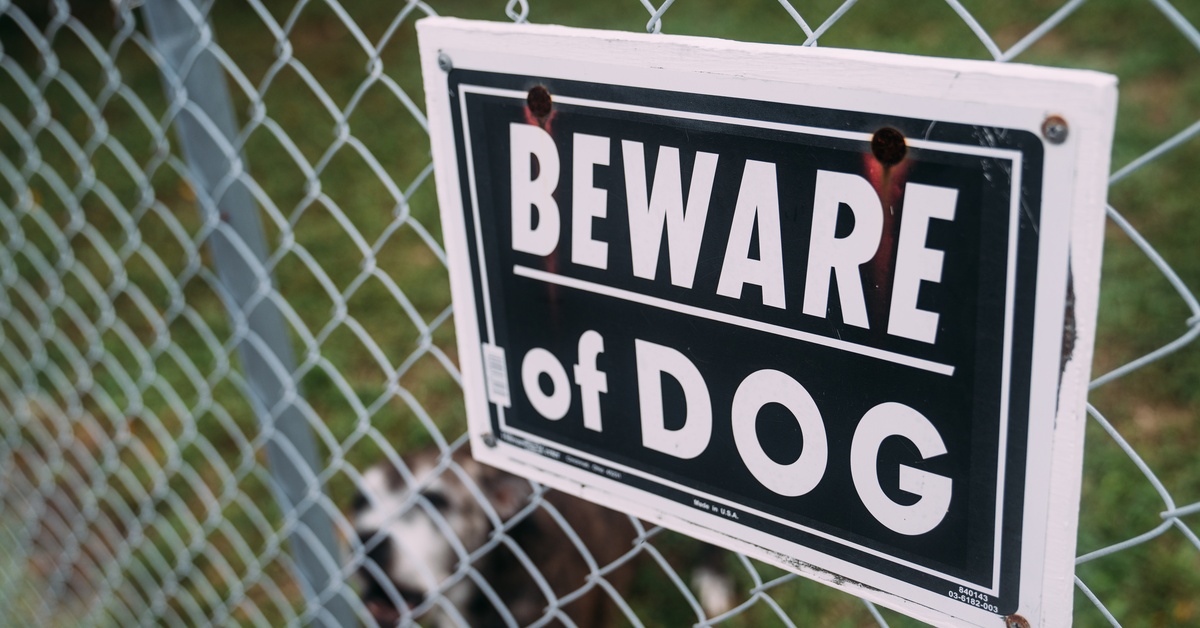
If victims voluntarily interact with dogs despite warnings of aggression, owners may argue that the victim is responsible for their injuries. This often applies when people ignore “Beware of Dog” signs or explicit warnings from the owner.
Defining Negligence in Dog Bite Cases
Duty of Care
Property owners must maintain safe premises and take reasonable care to protect visitors. This includes controlling dangerous animals and warning of known risks. The required level of care depends on the visitor’s legal status and the likelihood of harm. Injury-preventing precautions owners should practice include proper restraint, secure fencing, and warning signs when needed.
Breach of Duty
A breach occurs when a property owner fails to meet the required standard of care. Examples include allowing aggressive dogs to roam, not fixing broken fences, or failing to warn visitors about dangerous animals. The standard varies based on the situation and the dog’s history. Owners of dogs with known aggressive behavior are held to higher standards.
Causation and Damages
Victims of a dog bite must prove that the owner’s breach directly caused their injuries. Medical records, witness statements, and expert opinions often support this link. To complete a negligence claim, victims must show damages like medical bills, lost wages, and pain and suffering. Proper documentation strengthens the case for compensation.
“One-Bite” Rule
Victims should also be aware of the “one-bite” rule some states practice, which protects dog owners from liability for the first bite if they had no reason to know of their pet’s dangerous propensities. States applying the one-bite rule require victims to prove the owner knew or should have known about the dog’s aggressive tendencies.
Evidence of previous bites, aggressive behavior toward others, or breed characteristics may establish this knowledge. However, many states have moved away from this rule in favor of strict liability statutes that hold owners responsible regardless of prior knowledge.
Landlord Liability
Landlords may face liability for dog bites occurring on their rental properties under specific circumstances. When landlords retain control over common areas where attacks occur, such as dog parks, they may be responsible for tenant dogs that injure others.
Some courts hold landlords liable when they have the right to control tenant behavior, including pet ownership, but fail to exercise that right appropriately. Lease agreements and local ordinances often influence the extent of landlord responsibility for tenant animals.
Defenses in Dog Bite Cases

Comparative Negligence
Property owners may argue that the victim contributed to their own injuries through negligent behavior. Comparative negligence reduces compensation proportionally based on the victim’s percentage of fault. This defense often applies when victims ignore warnings or behave recklessly around dogs.
Statute of Limitations
Dog bite victims must file lawsuits within specific time limits established by state law. Property owners frequently raise statute of limitations defenses when victims delay pursuing legal action. These time limits vary by state and typically range from one to six years.
Tips for Pursuing a Dog Bite Case
Seeking immediate medical attention is in your best legal and health interests, as medical records provide crucial evidence of injury severity. Documenting the incident scene, including photographs of injuries, property conditions, and the dog involved, strengthens your potential claims.
Collect witness contact information and statements while memories of the event remain fresh. Police reports provide official documentation of the incident circumstances and may include important details about the dog’s behavior or owner statements.
Hiring an experienced dog bite attorney ensures proper evaluation of your case and protection of your legal rights. Mazzaferro Law specializes in dog bite cases and understands the complex legal issues surrounding private property incidents. If you’re looking for a lawyer for a dog attack in New Bedford, our team provides a comprehensive evaluation of your case and aggressive representation to secure maximum compensation for your injuries.
Moving Forward After a Dog Bite Incident
To answer the question, “Can I sue after a dog bit me on private property?” the answer depends on the case. Now that you know the factors at play that could affect your case, you can start building one.
Understanding your rights after a dog bite on private property requires professional legal guidance. These cases involve complex factors like premises liability, dog bite laws, and potential defenses, making them difficult to navigate alone. Taking prompt action with our dog bite attorneys at Mazzaferro Law safeguards your health, legal interests, and preserves critical evidence.